
Undo, friction, and where I push back.
In a recent Weekly Edit for It’s Nice That, Elizabeth Goodspeed argues that “analogue” has largely stopped describing how something is made and now functions mainly as a cultural signal - a way for images to assert humanity in an age of AI and frictionless polish. It’s a sharp and necessary observation. But it also relies on a division that, from my perspective, has become less useful than it seems.
Goodspeed suggests that once a drawing is digitised, shared, and endlessly reproduced, its analogue status collapses - the object dissolves into an image. Conceptually, this is convincing. Practically, I think it oversimplifies how many contemporary practices actually work. For me, analogue isn’t defined by purity, singularity, or resistance to reproduction. It’s defined by where decisions happen - and how much friction those decisions have to pass through.
Where decisions actually happen.
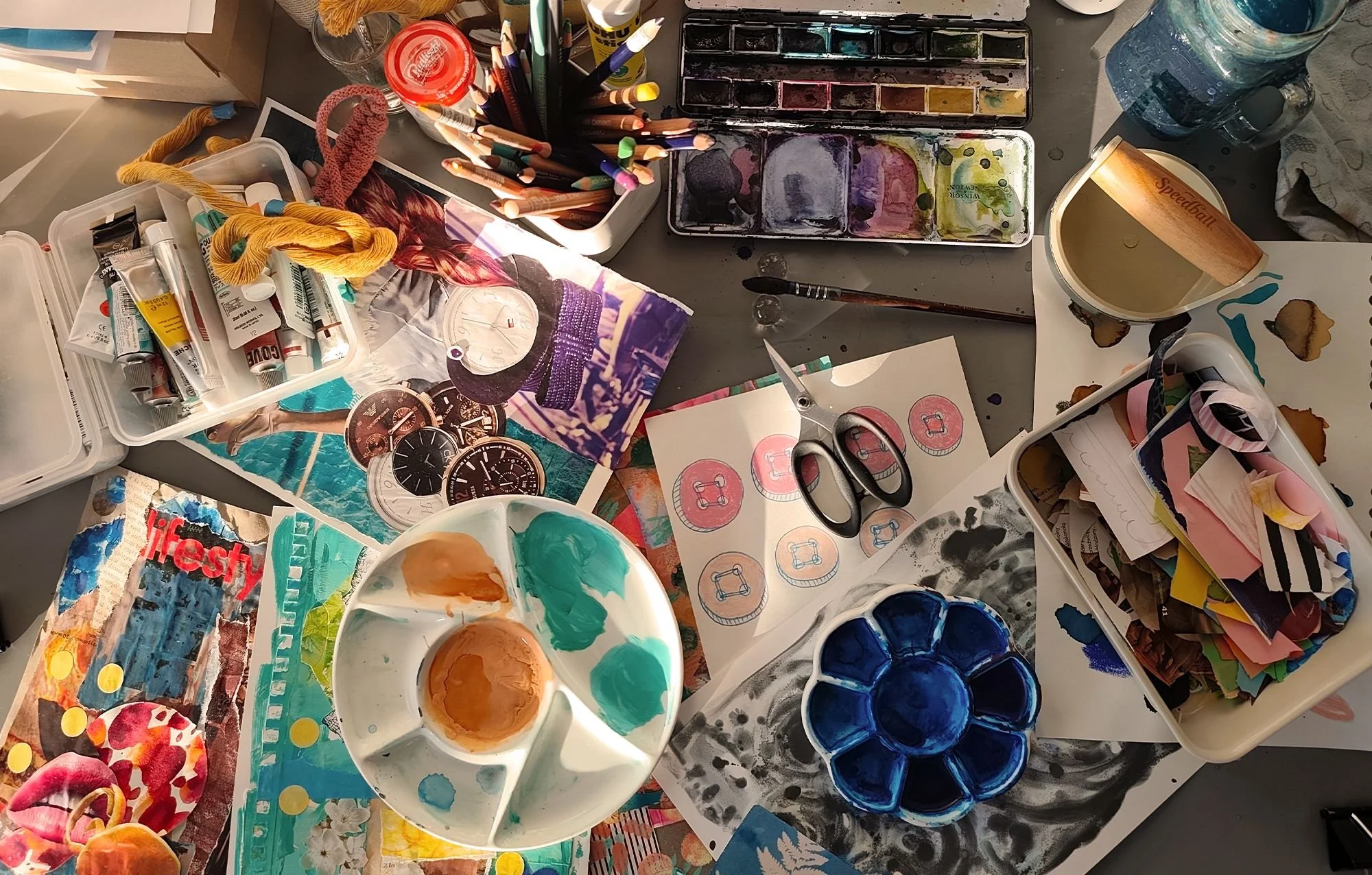
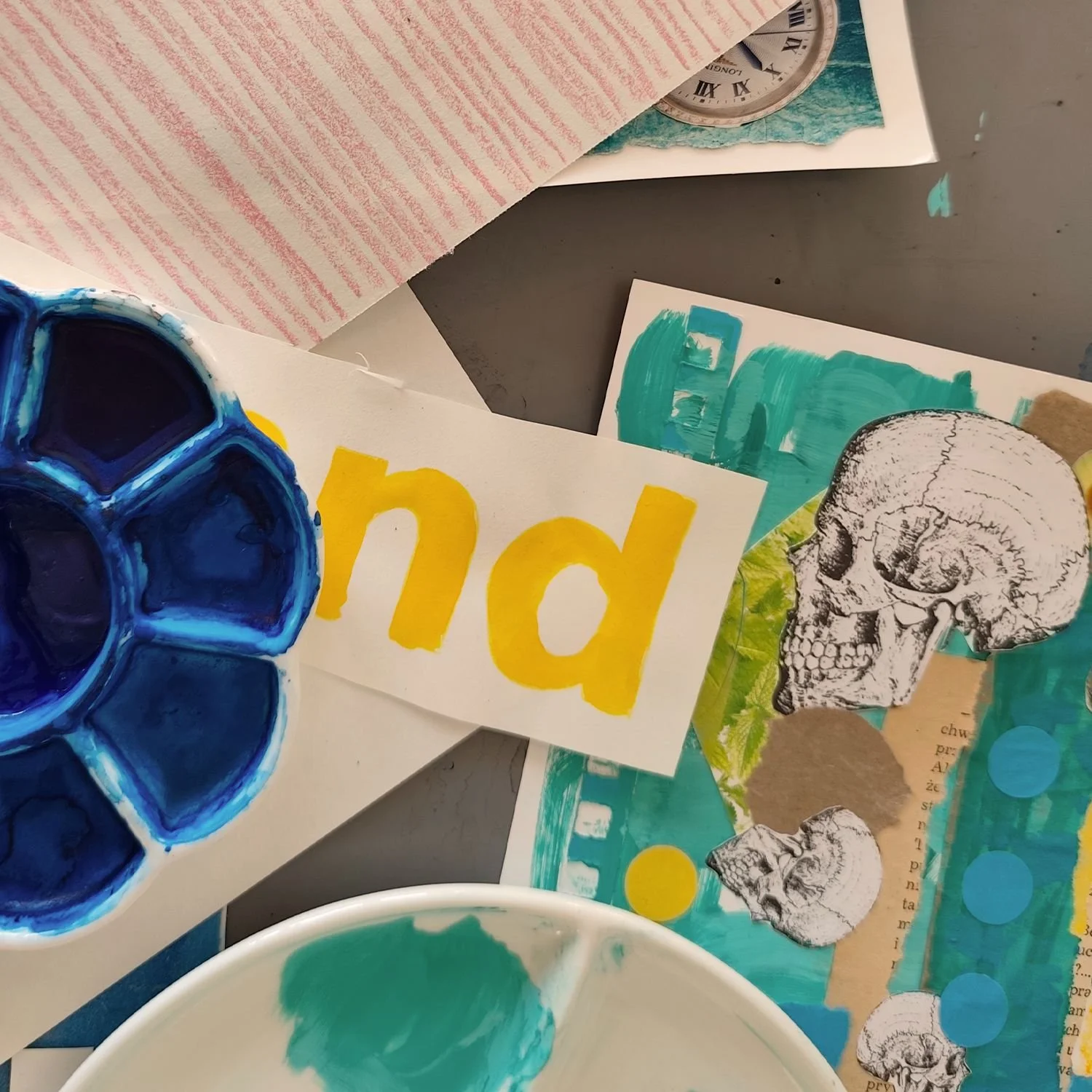
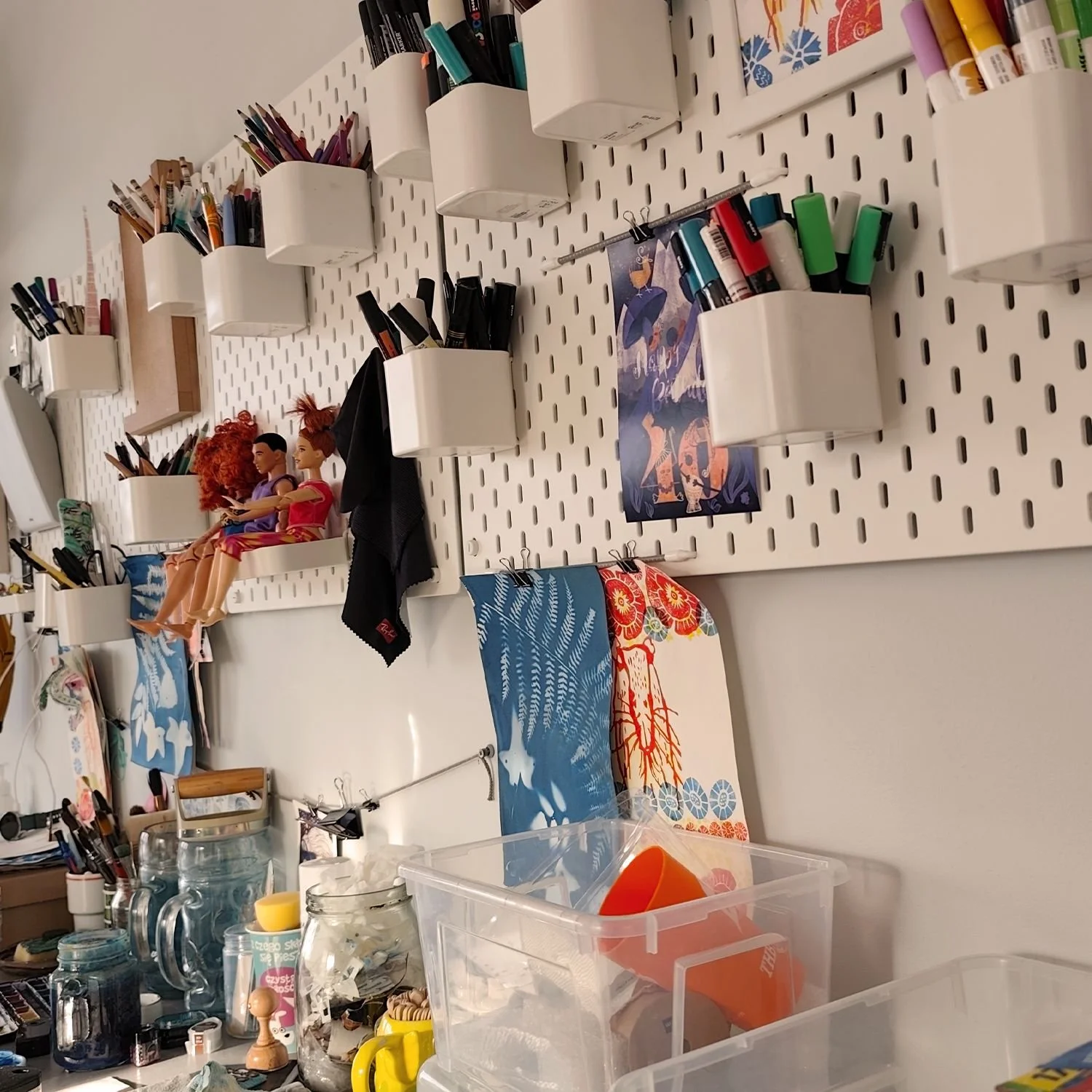
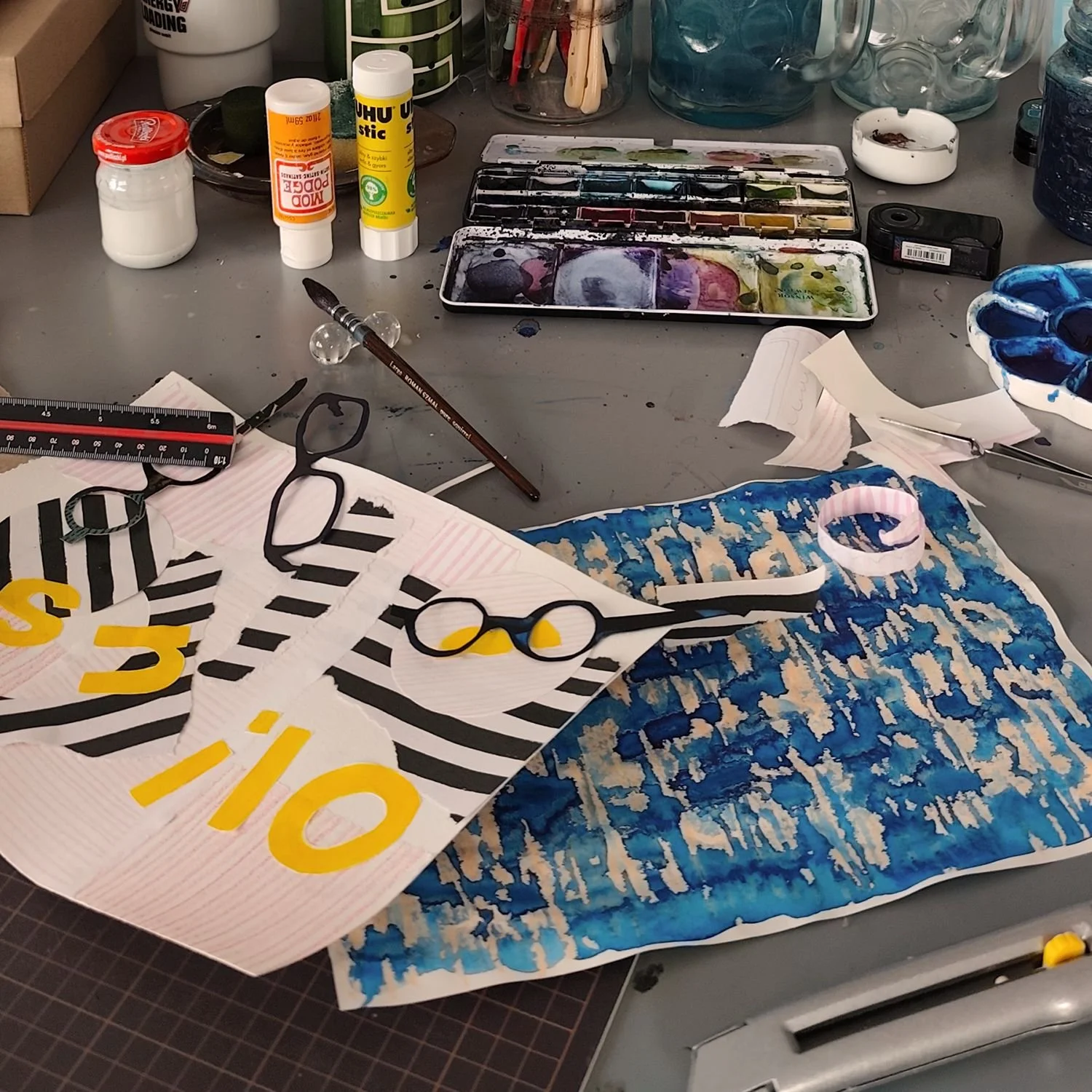
Much of my work exists precisely in the space between analogue and digital. I rely on the unpredictability of physical materials: ink that spreads too far, paint that thickens unexpectedly, paper that tears instead of cooperating. These moments introduce risk, error, and what we politely call “happy accidents” - things I couldn’t plan even if I wanted to. Digital tools then allow me to layer, combine, scale, and test those outcomes in ways that would be impossible to achieve fully by hand. The result isn’t a compromise between two worlds. It’s something that wouldn’t exist in either of them alone.
This is why I struggle with clean categorisations. Fully analogue versus fully digital feels less like a meaningful distinction and more like a theoretical shortcut. One of humanity’s greatest strengths is our ability to categorise - but when categories become the focus rather than the work itself, they start chasing their own tail.
Undo, stabilisation, reversibility.
What feels genuinely new - and worth questioning - isn’t hybridity, but the way some digital tools reduce friction at the exact moment decisions are made. Textures and brushes operate on the surface. Line stabilisation and the undo button go deeper. Stabilisation edits the body out of the line. Undo removes consequences. Together, they shift making from commitment to rehearsal. Decisions remain provisional. Time becomes reversible. For some artists, this opens space. For others - myself included - it quietly drains energy from the process.
This isn’t a judgement of digital work, or of those who choose to work entirely within it. It’s an observation about conditions. Years ago, I convinced myself there was no point in investing in physical materials when digital tools promised efficiency and control. The outcome surprised me: I stopped drawing altogether. Without resistance, without the risk of being stuck with a bad decision, my motivation slowly disappeared. Returning to a mixed, materially grounded process took years - and gave me something back that efficiency had taken away.
I agree with Goodspeed that digitally performed imperfection has become overcoded and often hollow. But I don’t think the answer is to collapse a wide range of hybrid, materially informed practices into a single “digital” category. Many of us are working precisely between these labels - not out of indecision, but because that’s where the richest possibilities emerge. I’m not interested in choosing sides. I’m interested in staying close to the moment where materials resist, mistakes remain, and the work asks something back from me.
That’s the only place where making still feels real.
Read more about my sketchbook practice and how ideas take shape through drawing.
See selected lifestyle illustrations created through this hybrid process.
