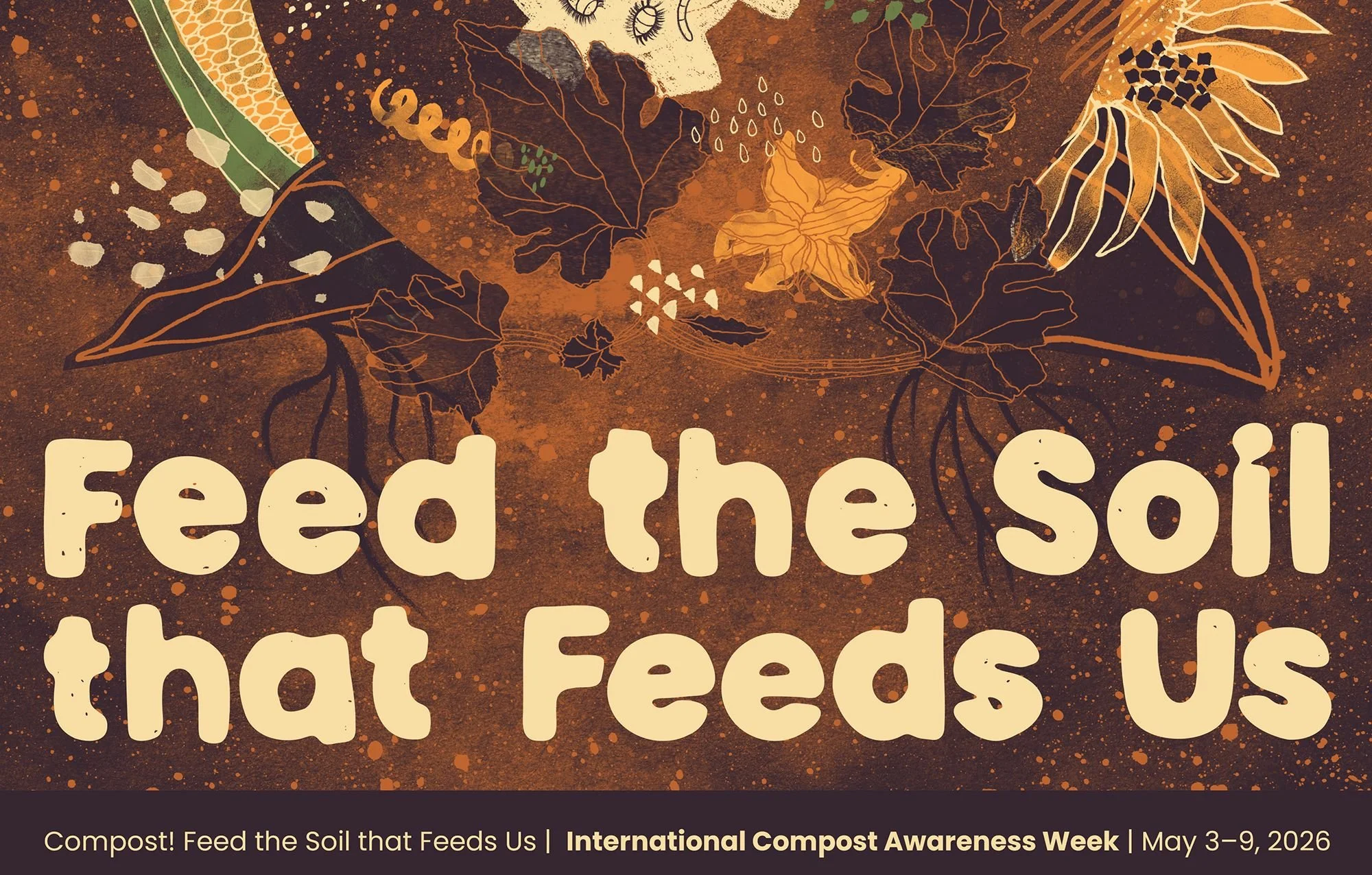
Compost — a poster about cycles, not instructions.
Compost as metaphor
This poster began with composting, but not as an educational guide. I was interested in compost as a symbol — an organic cycle of breakdown, transformation, nourishment and growth. Here, compost is not framed as waste, but as living matter: warm, active, full of micro-life. It is a process that works quietly beneath the surface and cannot be rushed, one that asks for patience rather than efficiency.
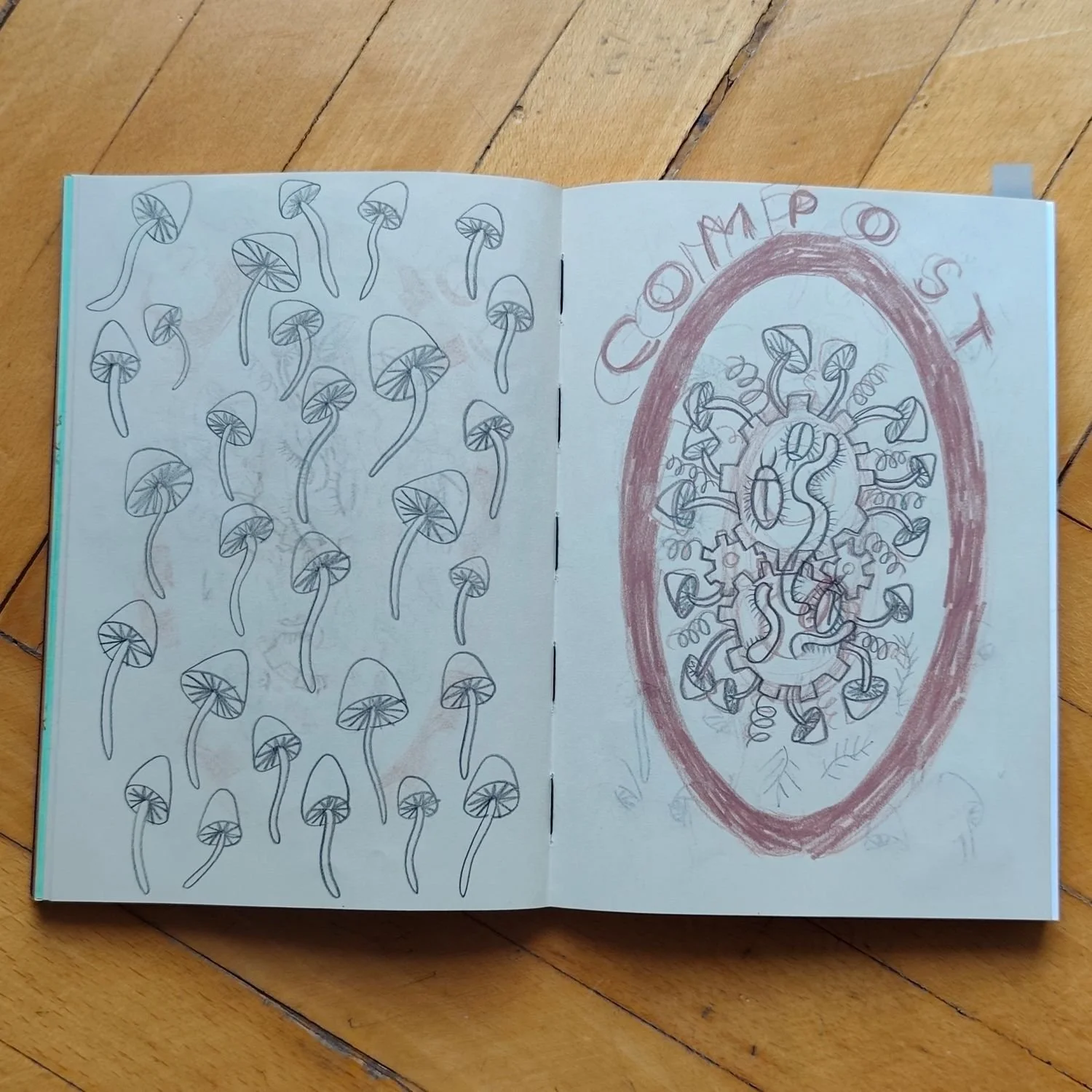
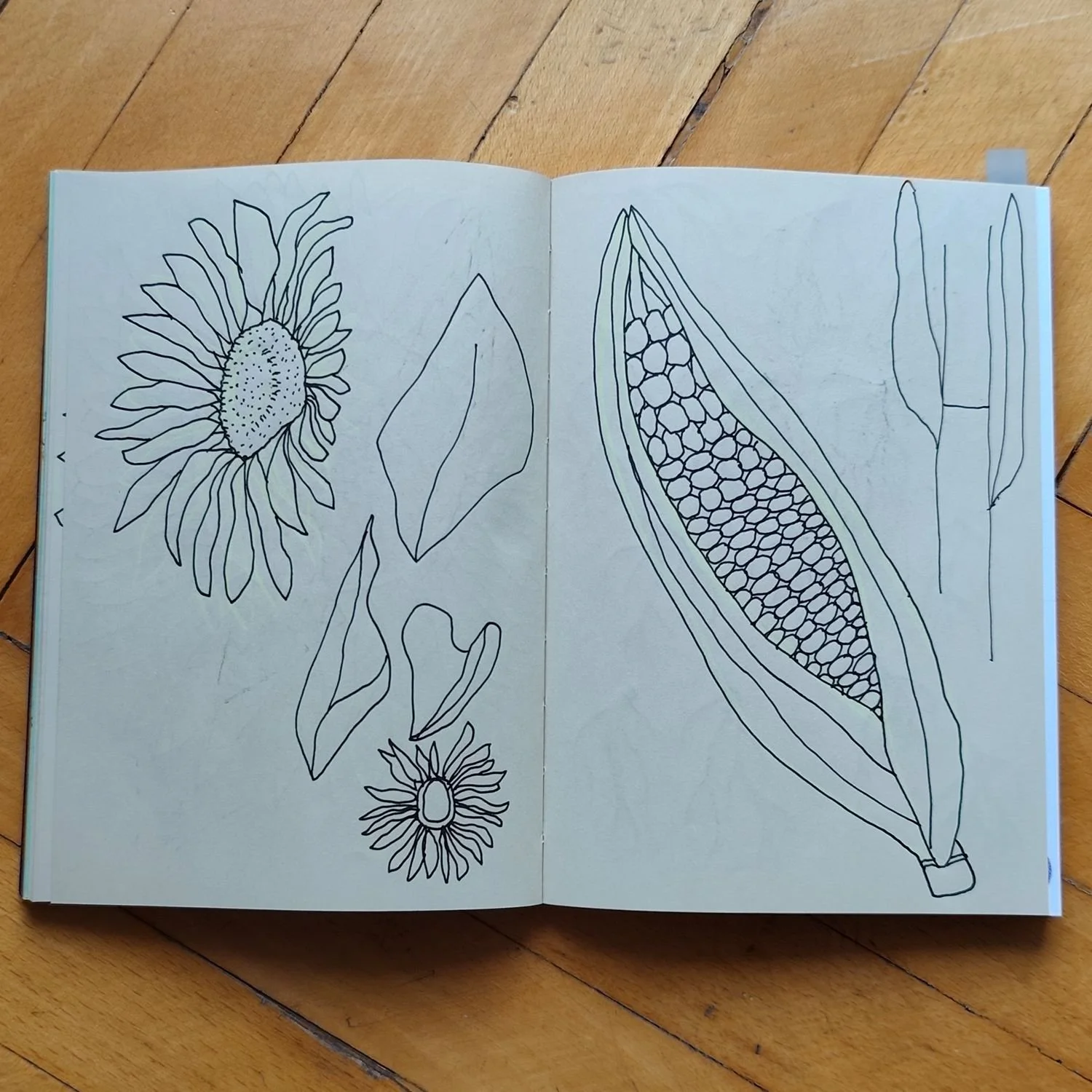
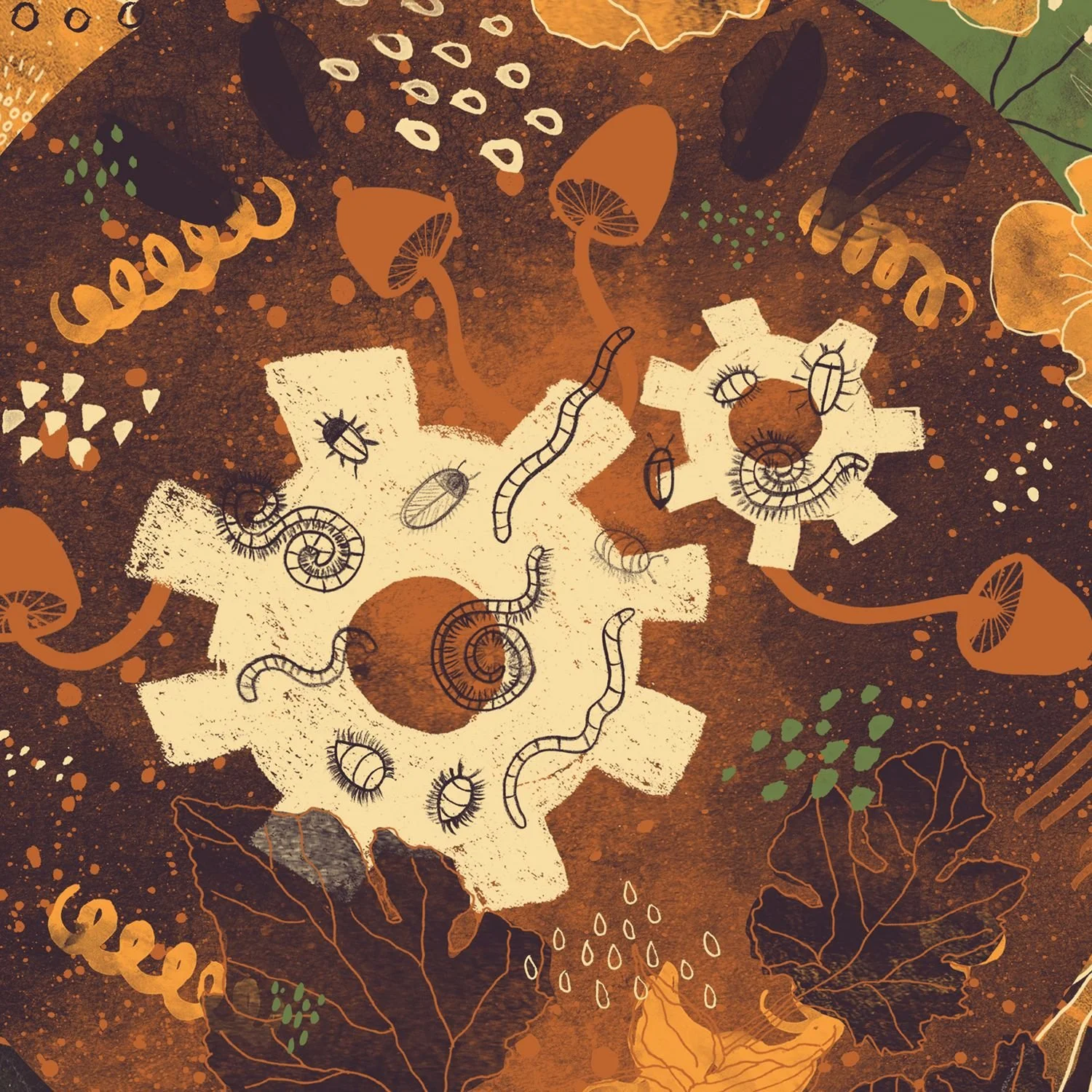
Beyond ecology, compost becomes a metaphor for regeneration and second circulation. It speaks about responsibility, but also about acceptance — about allowing things to decompose so they can return in a new form. This idea shaped the entire piece. Instead of literal instructions or familiar visual cues, the poster relies on organic form, layered texture and rhythm. Elements overlap, blend and transform slowly, mirroring the nature of compost itself.
Texture, rhythm and restraint
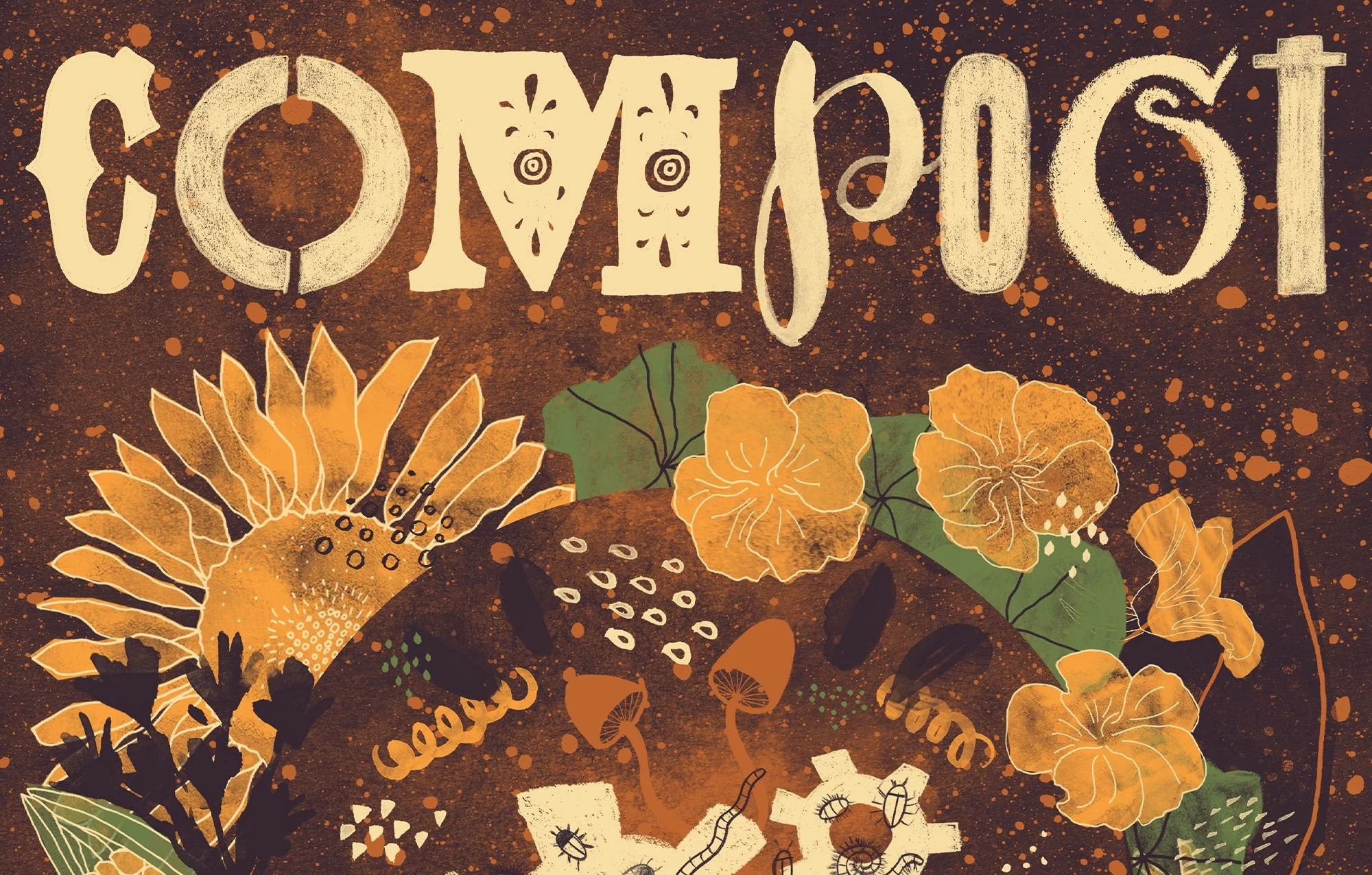
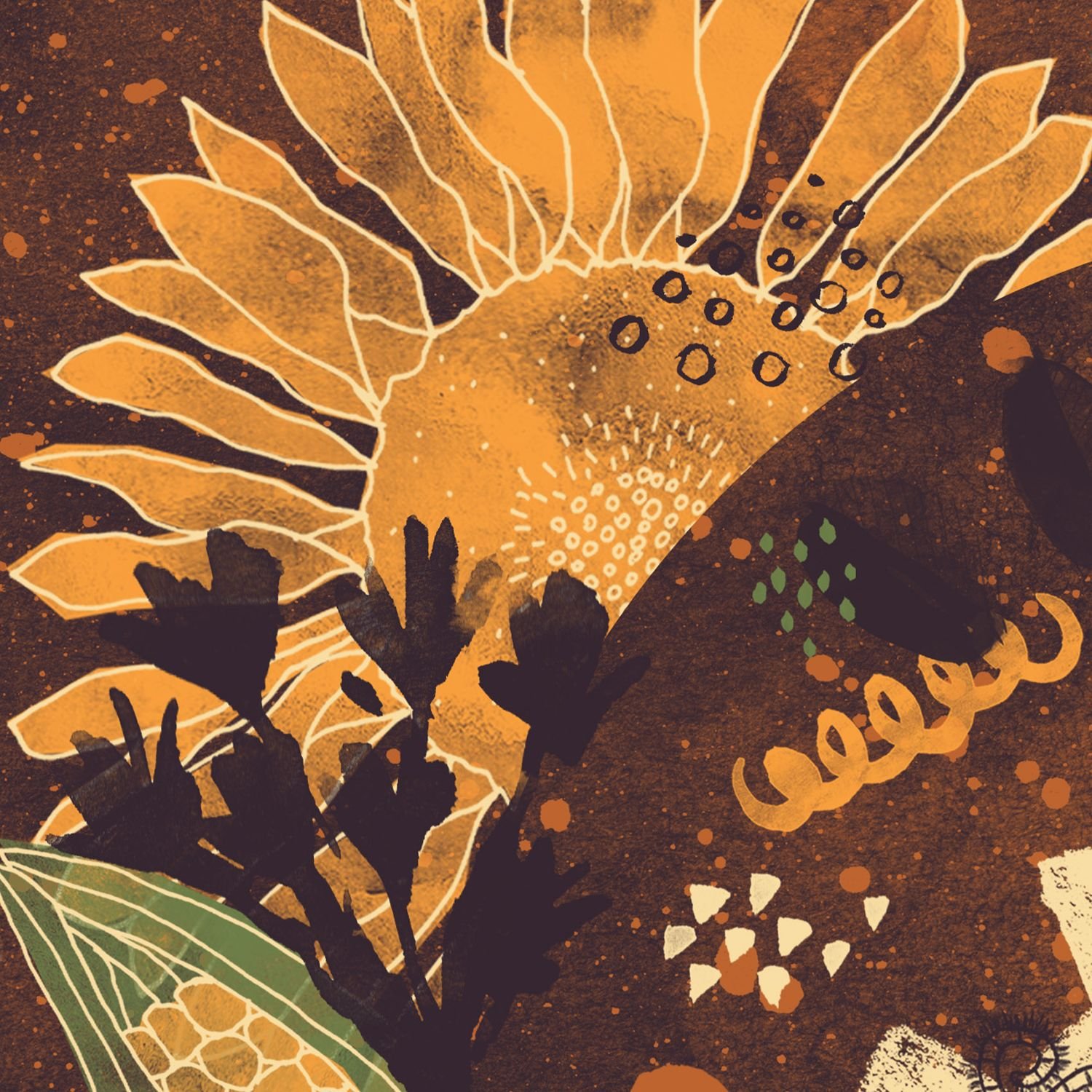
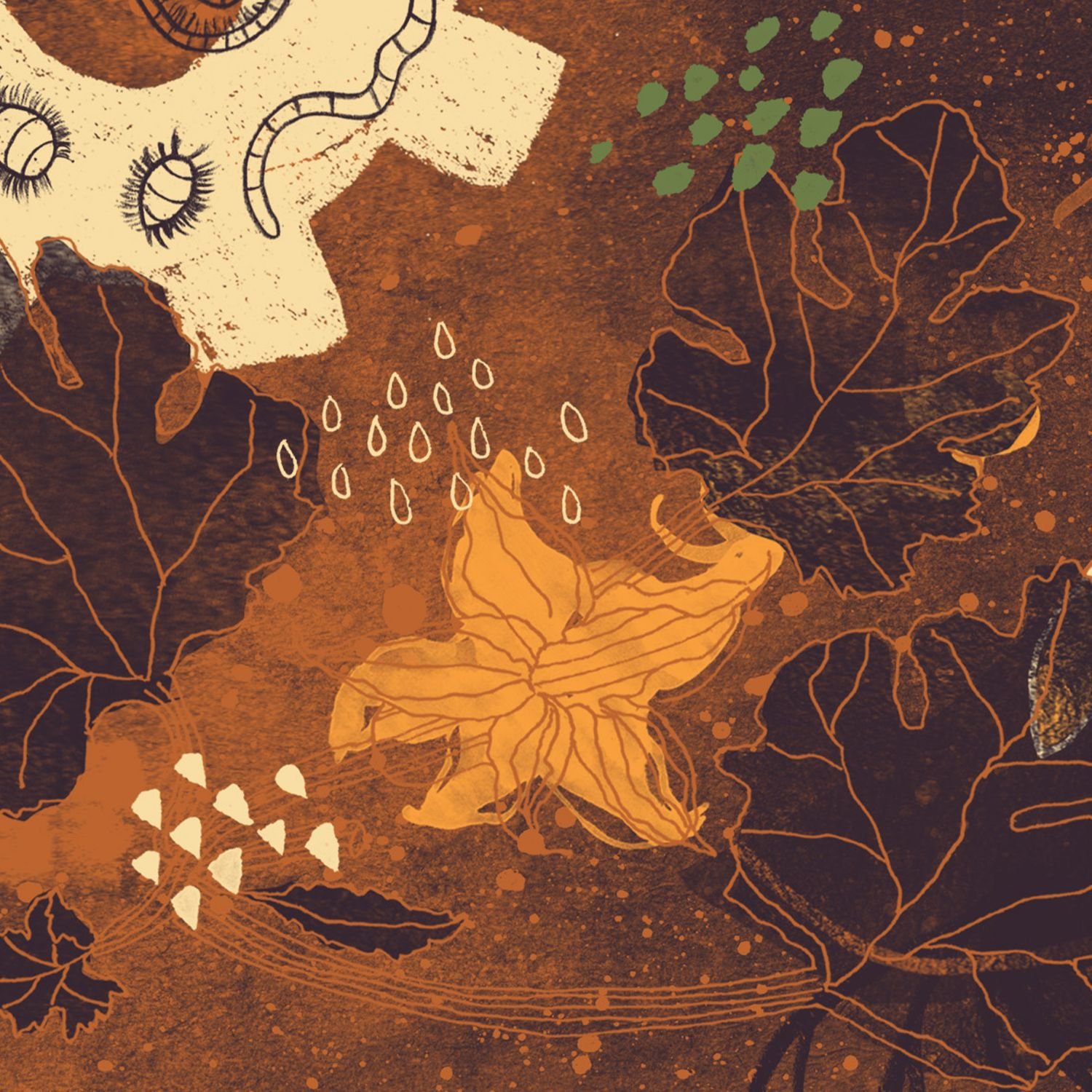
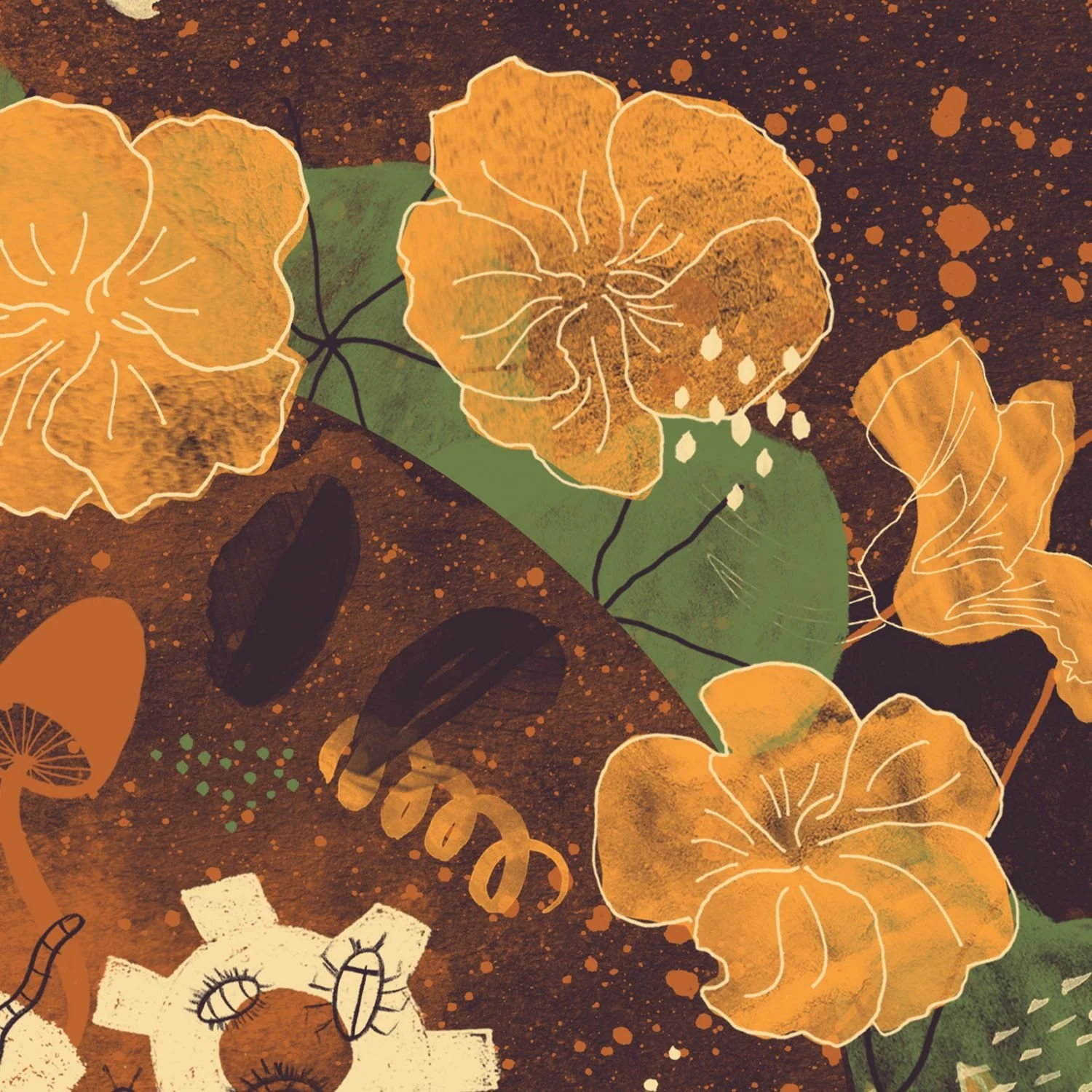
This is one of my most texture-rich works. Watercolour-like layers accumulate and interact, giving the poster a distinctly decorative, tactile quality. The circular structure references closed cycles and meditative forms, inviting reflection rather than urgency. The palette is built from earthy browns, muted greens and soft golden tones, with occasional lighter accents that suggest life emerging from within.
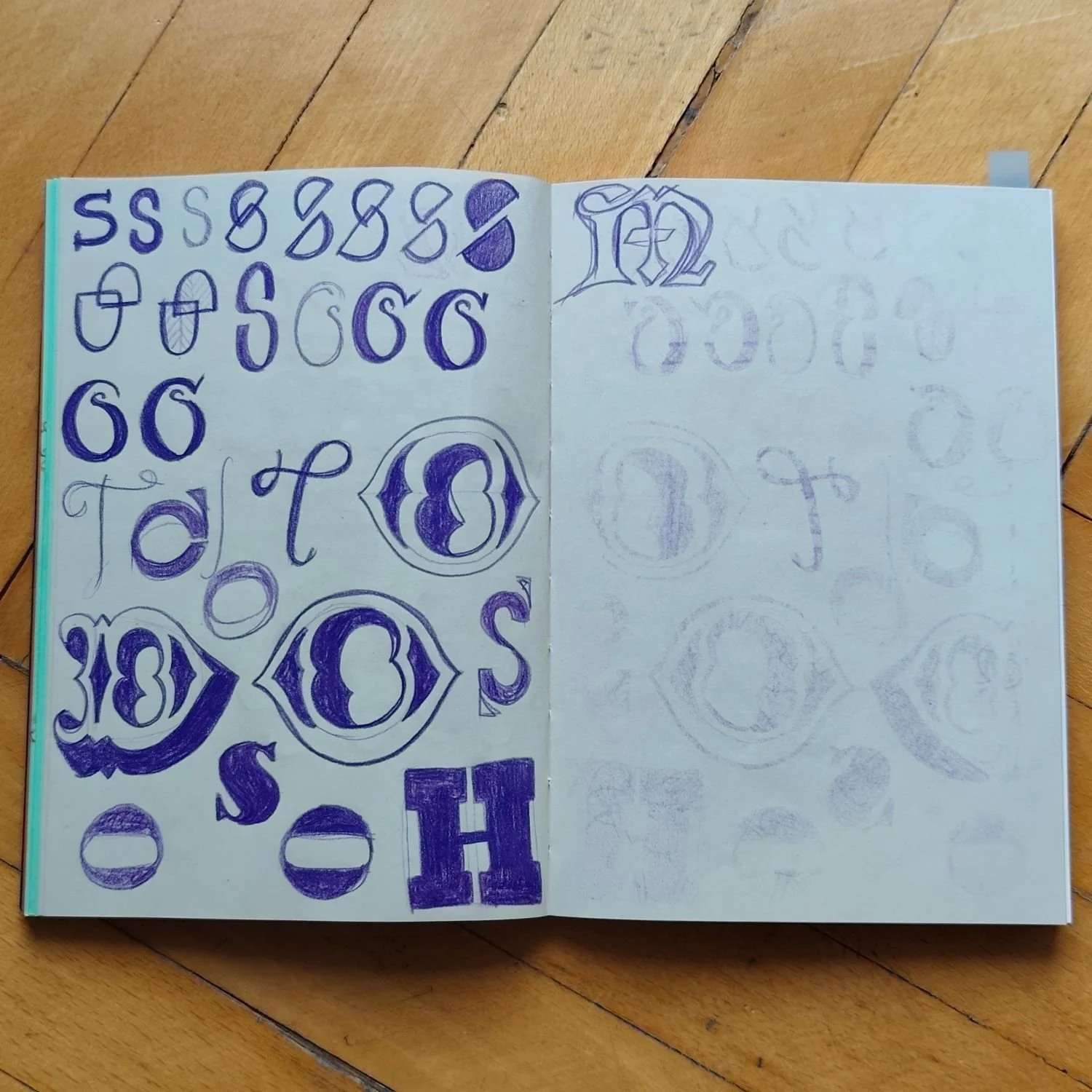
Hand-drawn lettering completes the concept. The word compost is assembled in a collage-like way, each letter slightly different, echoing ideas of reuse, transformation and second circulation embedded in the subject. The poster was created for an open call by the Compost Foundation. Regardless of the outcome, it remains a piece I value deeply — for its restraint, its layered surfaces and the quiet way it speaks about care, time and natural cycles.